Long waiting lines are a silent revenue leak. Customers who feel ignored leave, staff burn out and managers lose sight of what actually causes delays. A modern queue management system in Saudi Arabia turns that chaos into measurable flow. This guide explains how these systems work, what to compare and how to deploy one in 2026.
It is written for operations managers in banks, clinics, government service counters, telecom outlets and retail chains who want results rather than buzzwords.
What a Queue Management System Does
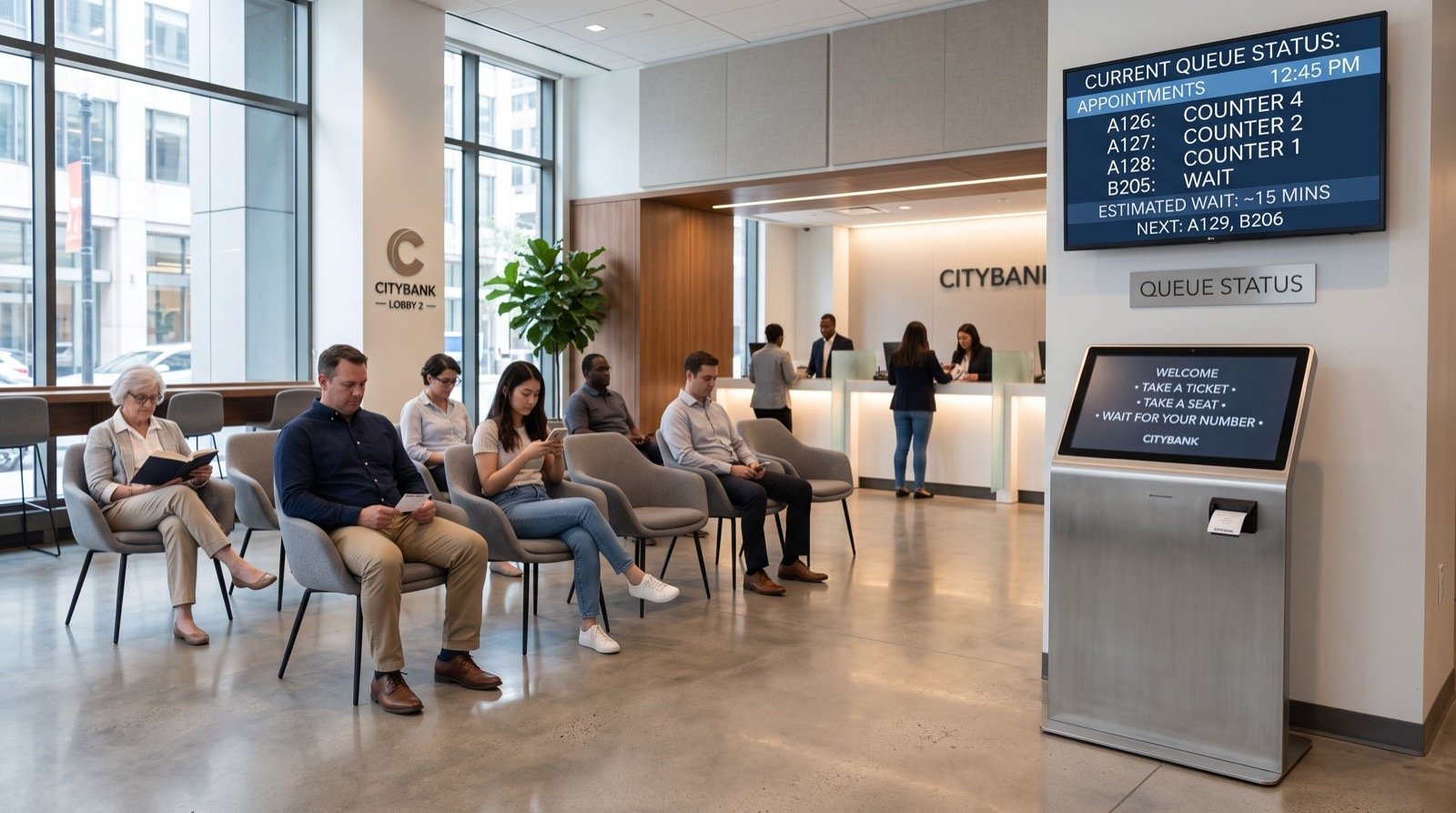
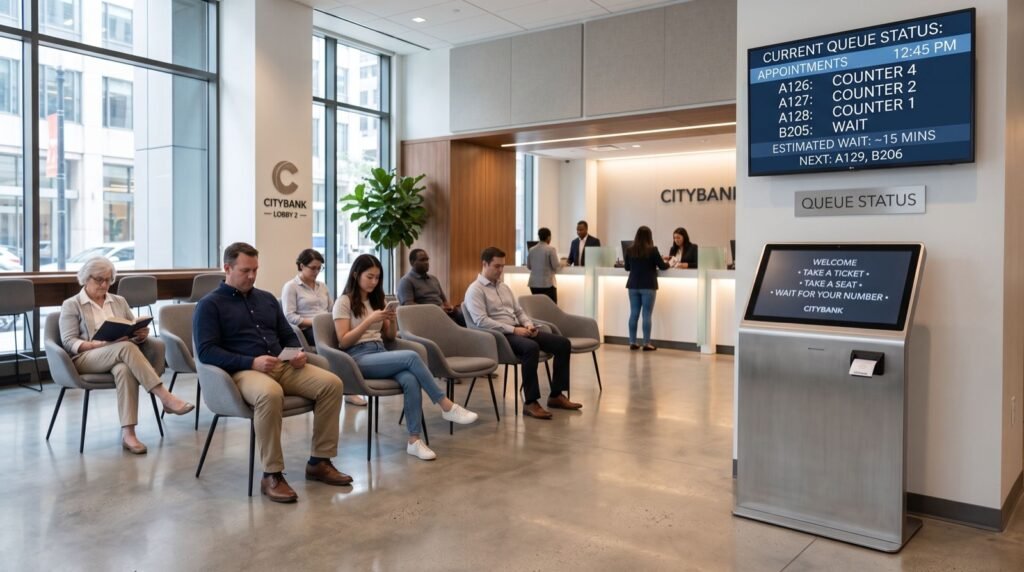
At its core, the system issues a digital ticket, tracks each customer through service points and displays calls on screens. Behind that simple loop sits data: arrival times, wait times, service durations and staff utilisation.
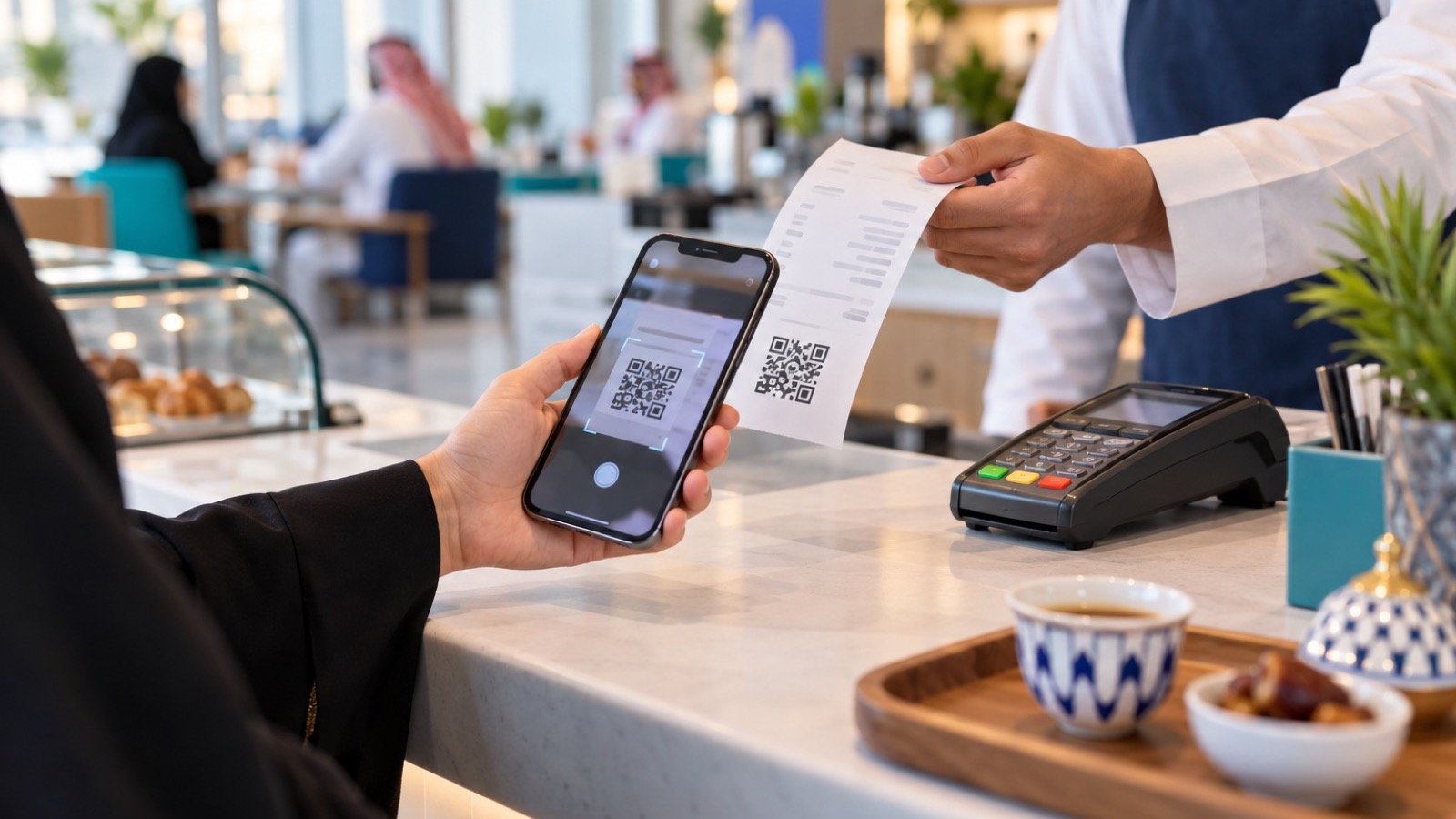
Modern platforms also let customers join by mobile phone or QR code, receive SMS alerts and give feedback after service. That removes crowding in the lobby and turns waiting into a managed experience.
Typical hardware and software layers
- Ticket kiosk or QR check-in for arrival.
- Counter keypads or tablets for agents.
- Display screens with audio announcements, including Arabic and English.
- A central dashboard with reports and alerts.
- Feedback terminals or post-visit surveys.
Why Saudi Organisations Are Investing Now
Vision 2030 has pushed service quality and digital transformation across public and private sectors. Customers expect short, predictable waits, and regulators and head offices expect numbers to prove it. Peak seasons, such as Ramadan and Hajj-related travel, test every counter.
Bilingual interfaces, prayer-time scheduling and separate flows for families are practical local requirements. A system that handles them out of the box saves months of customisation. Providers such as queue management system in saudi arabia specialists tailor deployments to these needs.
Comparing Queue Management Approaches
| Approach | Strengths | Limits | Best fit |
|---|---|---|---|
| Paper tickets | Cheap, familiar | No data, no remote join | Very small offices |
| Standalone ticket dispenser | Order and display | Basic reports only | Single-branch shops |
| Cloud-based system | Multi-branch dashboard, app join | Needs reliable internet | Banks, retail chains |
| On-premise enterprise system | Full control, data stays local | Higher setup cost | Government, hospitals |
Implementation Steps That Work
- Map the customer journey. Observe a full day and note where lines form.
- Define service categories. Separate quick transactions from long consultations.
- Set targets. Pick a service-level goal such as 80 percent served within ten minutes.
- Pilot at one branch. Train staff and collect feedback for a few weeks.
- Review analytics and scale. Adjust staffing by hour before expanding.
A tip many teams overlook: put a staff member at the entrance for the first week. Helping customers with the kiosk or QR code removes early resistance and protects the project’s reputation.
Metrics to Watch After Launch
- Average and maximum wait time by hour.
- Average service time by transaction type.
- Abandonment rate, meaning tickets never called.
- Counter utilisation and idle time.
- Customer satisfaction score from post-service surveys.
Data protection matters too. Saudi organisations should align deployments with the Saudi Data and AI Authority rules for personal data, especially when customers enter phone numbers. Wider digital-service benchmarks are published by the International Telecommunication Union.
Extending Beyond the Counter
Queue logic works in other settings, such as restaurants and drive lanes. Teams comparing service-flow technology often also study a Drive Thru Solution in pakistan because both reduce wait times through ordered, tracked service steps.
Choosing a vendor deserves the same diligence as choosing any partner. We have written before about how to pick reputable service experts by checking references, scope and support terms, and the same checklist applies to technology vendors.
Industry Examples Across Saudi Arabia
Different sectors use queue technology in different ways. Understanding those patterns helps you shape your requirements.
Banks and financial services
Banks separate retail, business and priority customers. Appointments reduce walk-in waits, and ticket data helps allocate tellers at peak hours such as salary week.
Hospitals and clinics
Patients need privacy and clear direction. Systems display ticket numbers instead of names and route patients between registration, triage and pharmacy. Wait data helps improve patient flow.
Government service centres
Citizen services demand fairness and transparency. Digital tickets, multilingual displays and satisfaction scores support accountability and align with national service-quality goals.
Retail and telecom outlets
Customers often arrive for quick tasks such as bill payment and for long ones such as device purchases. Separate queues keep fast tasks moving and raise store satisfaction.
Common Pitfalls and How to Avoid Them
- Too many service categories. Start with four to six, then refine.
- No staff training. Agents who skip the call button break the data.
- Ignoring walk-away customers. Track abandoned tickets to see hidden problems.
- Weak signage. Customers must see where to get a ticket within seconds of entering.
- No review cycle. Look at reports weekly and change staffing rules based on them.
Treat the first month as a learning period. Expect to adjust categories, screen layouts and counter assignments several times. That flexibility is exactly why a configurable platform is worth more than a fixed one.
Budget and contract points
Ask vendors to price a three-year total that includes licences, hardware support, software updates and training. Clarify who owns the data and how it can be exported. Confirm response times for faults in writing, with separate promises for kiosks, displays and software.
Finally, request a short proof of concept. A two-week trial at one counter exposes usability problems, language issues and network limits long before you commit to a multi-branch contract.
Frequently Asked Questions
How much does a queue management system in Saudi Arabia cost?
Cost depends on counters, branches, hardware and licence model. Cloud subscriptions lower upfront spend, while on-premise projects require more capital. Request quotes based on a defined service map.
Can it support Arabic and English?
Yes. Good systems provide bilingual tickets, screens and voice calls, with right-to-left layouts built in.
How long does deployment take?
A single branch can go live in days. Multi-branch rollouts with integrations typically need several weeks.
Does it integrate with appointments and CRM?
Most enterprise platforms offer APIs for booking, CRM and messaging, so appointments and walk-ins share one flow.
Conclusion
A well-chosen queue management system in Saudi Arabia shortens waits, supports staff and gives managers data they can act on. Map your journey, set targets, pilot first and measure continuously. The result is calmer lobbies and customers who return.