
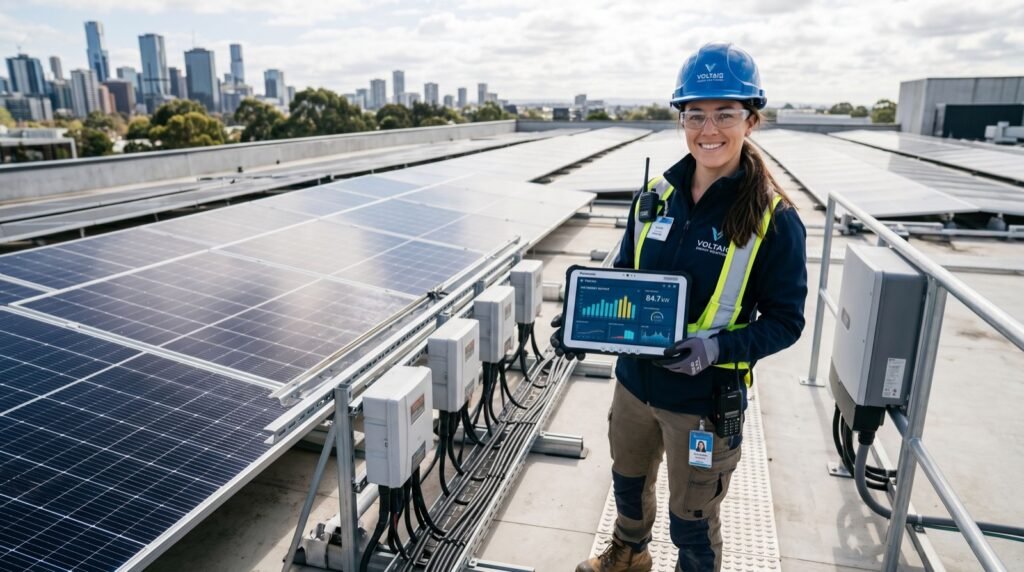
Solar Power in Pakistan’s Hot Cities: A 2026 Guide to Beating Heat and Load Shedding
Solar power in Pakistan has moved from a luxury to a practical necessity, especially in the country’s hottest, sunniest cities. If you live in Quetta, Multan, Bahawalpur or anywhere across southern Punjab and Balochistan, you already know two things: the sun is relentless, and grid electricity is neither cheap nor reliable. The good news for 2026 is that this exact combination, punishing heat plus abundant sunlight, makes solar one of the smartest home investments a Pakistani family can make. This guide walks you through how to harness it properly.
High solar irradiance is a gift, but only if your system is designed for the climate. Panels behave differently at 48°C than they do in a lab, inverters throttle in extreme heat, and cheap components fail fast under Balochistan’s dust and temperature swings. Getting the design right is what separates a system that pays for itself in three years from one that disappoints.
Why Hot, Sunny Cities Are Ideal for Solar
Pakistan receives some of the highest solar radiation in the world, averaging roughly 5 to 5.5 kWh per square metre per day across most of the country. Cities like Quetta and Multan sit comfortably above the national average for annual sunshine hours. That means every kilowatt of panels you install generates more units here than the same panel would in cooler, cloudier regions.
Peak electricity demand in these cities also lines up beautifully with solar output. Air conditioners run hardest between noon and late afternoon, which is exactly when your panels produce the most power. Instead of drawing expensive grid units during peak tariff hours, you run your cooling load directly off the sun.
The heat paradox you must plan for
Here is the counterintuitive part: solar panels actually lose efficiency as they get hotter. Most panels are rated at 25°C, and output drops by roughly 0.3 to 0.4 percent for every degree above that. On a 45°C rooftop, panel surface temperatures can exceed 65°C, shaving real output. This is why proper mounting with airflow underneath the panels matters enormously in hot cities. Homeowners arranging solar installation in Quetta should insist on raised mounting rails, not flush roof-hugging brackets.
How Do You Size a Solar System for a Hot-Climate Home?
Sizing starts with your bill, not with a salesman’s pitch. Pull out twelve months of electricity bills and find your average monthly consumption in units (kWh). A typical middle-class home in Multan running two to three air conditioners in summer might use 800 to 1,500 units per month.
As a rough rule, one kilowatt of well-installed panels produces about 110 to 130 units per month in Pakistan’s sun belt. So a household using 1,200 units monthly needs roughly a 10 kW system to cover most of its consumption on an annual basis.
| Monthly Usage (units) | Recommended System | Approx. Panels (585W) | Best For |
|---|---|---|---|
| 300 – 600 | 5 kW | 9 panels | Small home, 1–2 ACs |
| 600 – 1,000 | 7.5 kW | 13 panels | Family home, 2–3 ACs |
| 1,000 – 1,500 | 10 kW | 18 panels | Large home, 3–4 ACs |
| 1,500 – 2,500 | 15 kW | 26 panels | Villa or small shop |
Do not oversize blindly. Under net metering rules, exporting far more than you consume gives you diminishing returns, since you are effectively banking units you may never use. Size for your actual annual load with a modest buffer.
Choosing Panels and Inverters That Survive the Heat
Component selection is where hot-city homeowners either win or lose. Two categories deserve special attention.
Panels: look at the temperature coefficient
When comparing panels, do not just look at wattage. Check the temperature coefficient of Pmax on the datasheet. A panel at -0.30%/°C will hold output better on a scorching Multan afternoon than one rated at -0.40%/°C. Tier-1 monocrystalline PERC and TOPCon panels from established manufacturers are the sensible default for 2026 installations.
Inverters: derating and ventilation
Inverters are the brain of the system and the component most likely to fail early in extreme heat. Install them in a shaded, ventilated location, never on a west-facing wall in direct afternoon sun. Choose a reputable hybrid or on-grid inverter with a wide operating temperature range and good local warranty support. A quality solar company in Multan will size the inverter with headroom so it is not permanently running at its thermal limit.
- Prefer inverters rated for at least 50°C ambient operation without heavy derating.
- Insist on IP65 or better weatherproofing against dust storms.
- Confirm the warranty is serviced inside Pakistan, not just on paper.
- Ask for a monitoring app so you can spot faults before they cost you units.
Net Metering: Turning Sunshine Into Bill Credits
Net metering is the policy that makes grid-tied solar so attractive in Pakistan. Under NEPRA’s framework, you install a bidirectional meter, export surplus daytime generation to the grid, and receive credits that offset the units you draw at night. According to the National Electric Power Regulatory Authority (NEPRA), licensed net-metering consumers can settle their bills against exported energy, dramatically reducing monthly costs.
To qualify you generally need a three-phase connection for larger systems, a sanctioned load that matches your system size, and paperwork filed through your local distribution company. Working with experienced, dependable specialists who handle the DISCO application end to end saves weeks of frustration and rejected forms.
What is the payback period in 2026?
For a properly sized system in a high-sun city, payback typically lands between three and four and a half years, after which the electricity is effectively free for the remaining twenty-plus year panel life. Rising grid tariffs only shorten that payback, making 2026 an unusually good year to commit.
Common Mistakes Hot-City Homeowners Make
Learning from others is cheaper than learning from your own failed install. These are the errors we see most often across southern Pakistan.
- Buying on price alone and ending up with panels that degrade fast in the heat.
- Mounting inverters in direct sun, causing chronic overheating and early failure.
- Skipping proper earthing, which is dangerous during monsoon and dust-storm surges.
- Ignoring shade from water tanks, parapets and nearby buildings during panel layout.
- Choosing installers with no local presence, leaving you stranded on warranty claims.
Frequently Asked Questions
Does extreme heat damage solar panels in Pakistan?
Heat does not damage quality panels, but it does reduce their output temporarily. Well-mounted Tier-1 panels with good ventilation handle Quetta and Multan summers reliably for over twenty-five years when installed correctly.
How much can I save with solar in a hot city?
Households running multiple air conditioners commonly cut their electricity bills by 70 to 90 percent after installing a correctly sized net-metered system, since production peaks exactly when cooling demand peaks.
Is net metering available across Balochistan and southern Punjab?
Yes. Net metering is a national NEPRA framework administered through your local distribution company, so consumers in Quetta, Multan and surrounding areas can apply provided they meet the connection and load requirements.
Should I choose a hybrid or on-grid inverter?
Choose on-grid with net metering if the grid is reasonably present and you want the fastest payback. Choose a hybrid with batteries if load shedding is severe and you need backup during outages.
Conclusion: Make the Sun Work for You in 2026
Solar power in Pakistan’s hottest cities is not just viable, it is arguably the best-value energy decision available to homeowners today. The same sun that makes summers punishing is the resource that will slash your bills for decades. By sizing your system to your real consumption, choosing heat-tolerant panels and inverters, and getting net metering set up correctly, you convert a climate challenge into a lifelong saving. Start by pulling your bills, get a proper site survey, and partner with installers who understand hot-climate engineering. Your first sunny month on solar will make the decision feel obvious.